
How to Choose a Trusted Clinic for PRP or Biofillers in Bali: A Patient’s Quality Checklist
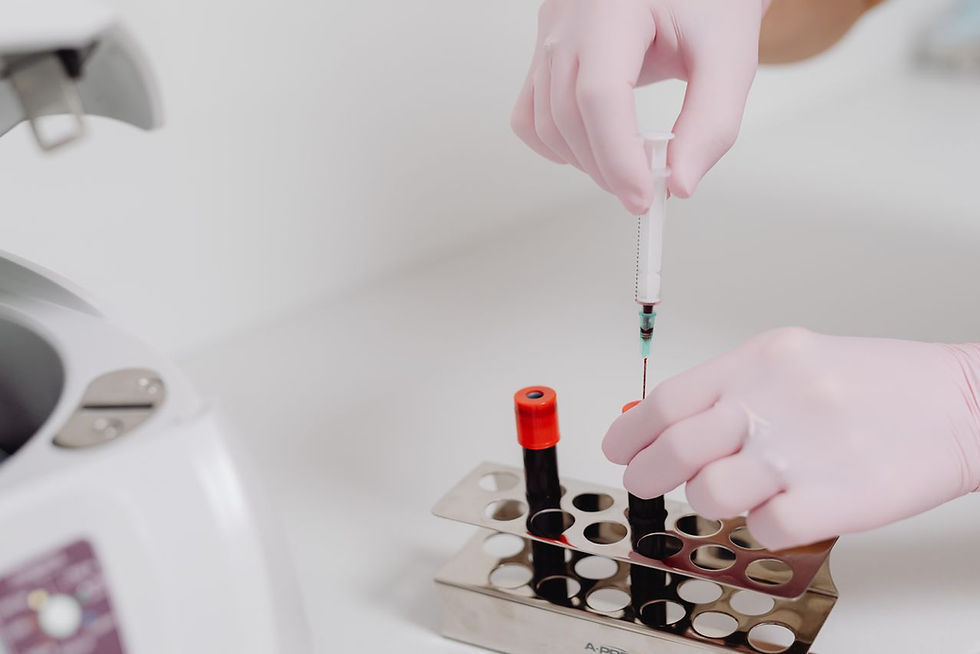
A quality PRP or PRF clinic should explain who is treating you, what they're preparing, what protocol they use, why it is appropriate for your concern, and how they manage safety.
For someone considering a PRP or PRF treatment at one of Bali's Clinics, the consultation and preparation process deserves as much attention as the price. This guide sets out questions you can use at SŌMA or any other clinic.
Start with the practitioner and the diagnosis before deciding on a PRP and PRF Clinic in Bali
Ask for the name and professional credentials of the clinician responsible for your care. Clarify who assesses you, who prepares the material, what protocol is followed, and who performs the procedure. Training in drawing blood is not, by itself, evidence of expertise in diagnosing hair loss or planning facial injections.
The consultation should address the actual concern. A patch of hair loss, diffuse shedding and pattern thinning are not interchangeable descriptions. Neither are an indented acne scar and a raised surgical scar. A useful plan explains the diagnosis or working assessment before recommending a preparation and suggesting the right type of biomaterials, such as PRP, CGF, APAG, or LCFG, because they can make a difference in the results you want. Make sure the physician can explain the differences.
Ask why the proposed treatment is suitable, what alternatives exist and what outcome would count as a meaningful improvement. A clinic should be able to explain when it would recommend another option or no procedure at all; importantly, ask what type of equipment, from tubs to devices, is used to prepare your biomaterial to make sure it is stable and effective.
Ask exactly what PRP or PRF means in this clinic
PRP generally aims to concentrate platelets in plasma. PRF preparations involve fibrin formation and may have different liquid or solid forms. APAG, an albumin-based plasma gel, is another material. The TGA's preparation overview helps illustrate why the terms should not be used interchangeably.
Ask the clinic to name the final preparation and describe it in ordinary language. A yellow fluid could be platelet-rich plasma, platelet-poor plasma or another blood fraction. Appearance alone does not establish its platelet concentration or clinical value.
A provider advertising a particular concentration should be able to explain what supports that claim. Equipment manufacturer validation and a measurement from your own preparation are different forms of evidence. Neither a larger syringe nor a darker colour is a reliable quality score.
Look for an appropriate system, not just a centrifuge
The centrifuge, rotor, tubes and protocol form a system. Ask whether the consumables are intended for the specific clinical preparation and whether the procedure follows the corresponding instructions. A general laboratory tube is not automatically interchangeable with a tube intended for preparing material used in a patient.
Questions about processing should have clear answers: Is the protocol documented? Are the correct tubes used? Is the equipment used specialised for the type of biomaterial, including the PRF and APG heaters, centrifuge, or is it just a generic, cheap centrifuge that does not guarantee the quality of the biomaterial? Can the team identify what happens if a sample clots unexpectedly or a preparation step fails?
You do not need to choose the spin speed yourself. You do need confidence that the team is following a defined, established procedure rather than improvising settings from an online video.
Sterile single-use items and patient identification matter
Ask how your sample is labelled and kept separate from other patients' material. The clinic should be able to explain its chain of identification from blood collection to final use, including how it handles consumables and reusable instruments.
Look for a clinical preparation area, appropriate hand hygiene and a clear distinction between clean and contaminated items. Ask whether needles, syringes and microneedling cartridges are single-use where required. In its microneedling safety guidance, the FDA specifically warns against reusing needle cartridges, including at a later session for the same person.
A patient's own blood does not protect against contamination from someone else's blood or from the surrounding environment.
What about boiling plasma in a kettle or another household appliance?
An improvised kettle, food warmer or other domestic appliance is a reason to pause and ask questions. It is not a substitute for a documented, controlled clinical process. This is a warning sign, as not all clinics have proper equipment or follow the protocol.
The key distinction is between making a liquid platelet preparation and intentionally producing a plasma-protein gel. Conventional PRP does not require boiling. Some albumin-gel protocols deliberately use controlled heat to change plasma protein structure. That is a separate preparation step, not a way to make ordinary PRP universally stronger.
In a laboratory study of liquid PRF and albumin gel, heated plasma lost the TGF-β activity observed in unheated fractions. The study does not prove that every heating method is ineffective. It shows why the temperature, timing and handling of the different fractions matter.
A quality provider should explain which fraction is heated, why the process is used and how the intended preparation is controlled. Heating does not prove a product is sterile, and a convincing-looking gel does not prove preserved biological activity.
A documented safety lesson, without sensationalism
PRP needs to follow strict protocols; that does not mean all PRP is unsafe. It is that a cosmetic setting with an unlicensed provider and an autologous label does not remove the need for medical standards. Proper records, medical certification and licensing, patient identification and infection control are essential parts of the treatment, not administrative extras.
Ask for evidence that matches your concern
A paper about bone grafting is not proof that the same material improves facial wrinkles. A study of PRP is not automatically evidence for LPCGF, and a study of one plasma gel is not proof for every product described as a biofiller.
For example, Alves and Grimalt studied PRP in androgenetic alopecia. That makes the research relevant to selected pattern hair loss. It does not establish equal benefit for every form of alopecia or a guaranteed response after one visit.
Ask whether the evidence involves people with your concern, whether there was a comparison group and how outcomes were assessed. A responsible explanation can include uncertainty without becoming evasive.
Understand the risks and the follow-up plan
The consent discussion should explain procedure-specific risks and what to do if a problem develops. With injections, anatomical expertise and emergency preparedness matter, as does product preparation. A statement that the material comes from you is not an adequate risk discussion.
Ask which short-term effects are expected, which symptoms require urgent attention and how to contact the clinic. Travellers should know who can review them after leaving Bali and whether repeat treatment is part of the plan.
A useful price comparison includes the assessment, treatment scope, and follow-up. It is difficult to compare two offers fairly when one is a single procedure and the other includes a monitored course of care.
The questions worth taking to your consultation
Who is responsible for my assessment and procedure, and what relevant training do they have?
What exactly are you preparing: PRP, PRF, liquid CGF or plasma gel?
Why is this preparation appropriate for my diagnosis and treatment goal?
Are the tubes and equipment specialised for this procedure, and is the process documented?
How is my sample identified and protected against contamination or mix-ups?
What evidence supports the benefit you are describing, and what remains uncertain?
What risks, alternatives, aftercare and follow-up should I expect?
Specific, understandable answers are more useful than promises of the highest concentration or a claim that one machine is the best.
SŌMA's approach in Bali
SŌMA has dedicated equipment for blood-component separation, controlled plasma-gel preparation and patient-specific topical blending. These capabilities allow the team to distinguish between preparation types rather than treating every blood-derived service as the same procedure.
Our approach centres on a regenerative medicine-trained physician assessment, a defined preparation process and an explanation of the intended outcome. Patients are encouraged to ask about the material being used, the relevant protocol and the aftercare arrangements. Specialised equipment supports that process; it does not replace clinical judgment or guarantee a result.
SŌMA holds A4M and ISSCA accreditations. These sit alongside, rather than replace, the need for appropriate medical licensing, individual clinical competence and procedure-specific safety standards. An accreditation should never be presented as regulatory approval for every treatment or proof that complications cannot occur.
Frequently asked questions
Does more concentrated PRP always work better?
Do not accept that conclusion from a concentration claim alone. Ask what was measured and whether the claimed improvement is supported for your specific condition and treatment protocol.
Is a sealed tube enough to prove the whole process is sterile?
No. Handling before and after separation, any transfers, the administration equipment, and patient identification all remain relevant.
Should PRP be heated?
Conventional liquid PRP and intentionally heat-processed plasma albumin gel are different preparations. The clinician should explain the distinction and the validated workflow, not describe boiling as a universal upgrade.
If a doctor performs the treatment, does that guarantee effectiveness?
Even if a doctor performs a treatment, it doesn't mean that the clinic has experience, specialised equipment or follows dedicated protocols. Consider credentials alongside diagnosis, suitable protocols, transparent evidence, and follow-up.
Choose clarity before a commitment
A good consultation should leave you knowing more about your condition and your options, not simply more impressed by treatment terminology. Explore SŌMA 's PRP facial and PRF information, or contact our Uluwatu clinic to discuss suitability.
This guide offers general patient questions. It does not certify another provider, allege misconduct by any Bali clinic or replace an individual medical assessment.


